
Ultimate Muscle Building Blueprint
Discover the complete guide to building lean muscle mass through evidence-based training principles, nutrition science, and progressive resistance protocols designed for serious athletes and fitness enthusiasts.

Proven Results by the Numbers
Week Progressive Training Cycle
Daily Protein Intake Target
Optimal Rep Range for Hypertrophy
Recovery Between Muscle Groups

Foundation: Nutrition & Supplementation
Muscle growth requires a caloric surplus with adequate protein intake. The foundation of any muscle-building program starts in the kitchen, where macronutrient balance directly impacts hypertrophy, recovery, and overall performance gains.
- Protein Synthesis: 1.6–2.2g per kilogram of body weight daily optimizes muscle protein synthesis
- Caloric Balance: 300–500 calorie surplus supports lean mass accumulation without excessive fat gain
- Micronutrients: Zinc, magnesium, vitamin D, and B vitamins regulate hormonal production and energy metabolism
- Hydration: Maintain 3–4 liters daily for optimal nutrient transport and muscle pump
12-Week Progressive Training Phases
Weeks 1–4: Foundation & Conditioning
Establish movement patterns, build work capacity, and prepare joints for heavier loads. Focus on compound lifts (squats, deadlifts, bench press) with 8–12 reps per set. Train each muscle group twice weekly with moderate intensity (70–75% 1RM).
Weeks 5–8: Hypertrophy Focus
Increase intensity to 75–85% 1RM with controlled tempo (3–2–1 second eccentric). Implement 3–4 sets of 8–10 reps with shorter rest periods (60–90 seconds). Add isolation exercises for lagging muscle groups to maximize time under tension.
Weeks 9–12: Strength & Deload
Build absolute strength with 85–90% 1RM, performing 4–5 reps for 3–4 sets. Final week includes deload (50–60% 1RM, 6–8 reps) to allow nervous system recovery and prepare for the next cycle. Assess progress and adjust macronutrient targets accordingly.
Essential Muscle Groups to Target
Strategic targeting of major muscle groups ensures balanced development, prevents injury, and maximizes strength gains. Each group requires specific exercise selection and recovery protocols.
Chest
The pectoralis major and minor drive horizontal pressing movements. Barbell bench press, incline press, and dumbbell flyes build upper-body mass and pressing strength. Train 1–2 times weekly with 12–16 total weekly sets for optimal hypertrophy.
- Key Exercise: Barbell Bench Press
- Secondary: Incline Dumbbell Press
- Isolation: Cable Flyes
Back
The latissimus dorsi, rhomboids, and erector spinae support pulling strength and posture. Deadlifts, bent-over rows, pull-ups, and lat pulldowns build back thickness and width. Allocate 14–18 weekly sets split between horizontal and vertical pulling patterns.
- Key Exercise: Deadlift (Conventional)
- Secondary: Bent-Over Barbell Row
- Isolation: Lat Pulldown
Legs
Quadriceps, hamstrings, and glutes comprise the largest muscle groups. Squats, leg presses, Romanian deadlifts, and leg curls drive lower-body growth and metabolic impact. Dedicate 16–20 weekly sets across 2 training sessions for sustainable development.
- Key Exercise: Barbell Back Squat
- Secondary: Romanian Deadlift
- Isolation: Leg Curl Machine
Shoulders
The deltoids (anterior, medial, posterior) create shoulder width and aesthetic appeal. Overhead press, lateral raises, and reverse flyes target all three heads. Train with 10–14 weekly sets, emphasizing overhead pressing strength and lateral raise volume.
- Key Exercise: Overhead Barbell Press
- Secondary: Lateral Raise
- Isolation: Reverse Pec Deck
Arms
Biceps and triceps grow through dedicated isolation training. Barbell curls, dumbbell curls, tricep dips, and rope pushdowns build arm mass. Allocate 8–12 weekly sets for each muscle group, focusing on the contraction and controlled eccentric phase.
- Key Exercise: Barbell Curl
- Secondary: Dip Machine
- Isolation: Rope Pushdown
Core & Abs
A strong core stabilizes heavy lifts and improves athletic performance. Compound movements inherently train the core; add weighted cable crunches, hanging leg raises, and planks for direct stimulation. Train core with 6–10 weekly sets for definition and functional strength.
- Key Exercise: Weighted Cable Crunch
- Secondary: Hanging Leg Raise
- Isolation: Ab Wheel Rollout
Recovery & Supplementation Strategies
Muscle growth occurs during recovery, not during training. Adequate sleep, stress management, and strategic supplementation amplify results. The training stimulus triggers adaptation, but recovery determines the magnitude of growth.
- Sleep Quality: Aim for 7–9 hours nightly; elevated cortisol from sleep deprivation impairs muscle protein synthesis and increases catabolism
- Creatine Monohydrate: 5g daily increases ATP availability, supporting strength and power output with minimal side effects
- Whey Protein: Convenient post-workout protein source with complete amino acid profile for rapid muscle protein synthesis
- Active Recovery: Light walking, foam rolling, and mobility work 1–2 times weekly enhance blood flow and reduce soreness

Common Questions About Muscle Growth
Beginners typically observe noticeable muscle gain within 8–12 weeks of consistent training and proper nutrition. Intermediate lifters may experience 0.5–1kg of lean mass monthly under optimal conditions. Experienced athletes should expect slower gains (0.25–0.5kg monthly) due to higher baseline development. Genetic factors, training age, and adherence significantly influence individual timelines.
Research supports 1.6–2.2 grams of protein per kilogram of body weight daily for muscle hypertrophy. A 80kg male should target 128–176g daily, distributed across 4–5 meals for optimal muscle protein synthesis. Higher intakes (up to 2.2g/kg) do not provide additional benefit but maintain satiety during caloric deficits. Prioritize consistent daily intake over individual meal timing.
Training each muscle group twice weekly (15–20 weekly sets per group) yields superior hypertrophy compared to once-weekly training. Higher frequency allows greater total volume without excessive session length or recovery demand. Intermediate lifters benefit most from twice-weekly splits (e.g., push/pull/legs performed twice per week) with 48–72 hours between sessions targeting the same muscle group.
Muscle building (hypertrophy) requires a caloric surplus to maximize growth. However, beginners and overweight individuals can simultaneously lose fat and gain muscle (body recomposition) in a moderate deficit (300–500 kcal below maintenance) with high protein intake and progressive training. Advanced lifters should prioritize a surplus (300–500 kcal above maintenance) for maximal muscle gain, then diet down separately to minimize fat accumulation.
The 6–12 rep range produces optimal hypertrophy, with 8–10 reps considered the sweet spot for most lifts. This range balances mechanical tension, metabolic stress, and muscle damage—three key hypertrophy drivers. Vary rep ranges weekly: perform heavy compound lifts (4–6 reps), moderate hypertrophy work (8–12 reps), and isolation exercises (12–15 reps) to maximize adaptation and prevent plateaus.
Progressive overload is the foundation of continuous muscle growth. Gradually increase weight, reps, sets, or reduce rest periods every 1–2 weeks to challenge muscles beyond prior adaptation. Without progression, muscles plateau as the stimulus becomes insufficient. Track workouts meticulously and aim to add 1–2 reps or 1–2kg per set monthly; even small increases compound into substantial strength and size gains annually.
Transformation Stories & Progress Photos
Real athletes demonstrate the power of consistent training, nutrition, and recovery. These transformations span 12–24 weeks of dedicated effort following the principles outlined in our muscle-building guide.

Rahmat's 12-Week Journey
Gained 8kg of lean mass while maintaining body fat percentage through disciplined hypertrophy training and 300g daily protein intake. Strength gains: squat +40kg, bench +25kg, deadlift +50kg.
+8kg Lean Mass | +15% Strength

Budi's Body Recomposition
Lost significant weight fat while gaining 5kg muscle over 16 weeks using a moderate caloric deficit and progressive resistance training. Achieved visible muscle definition and improved athletic performance.
significant weight Fat | +5kg Muscle
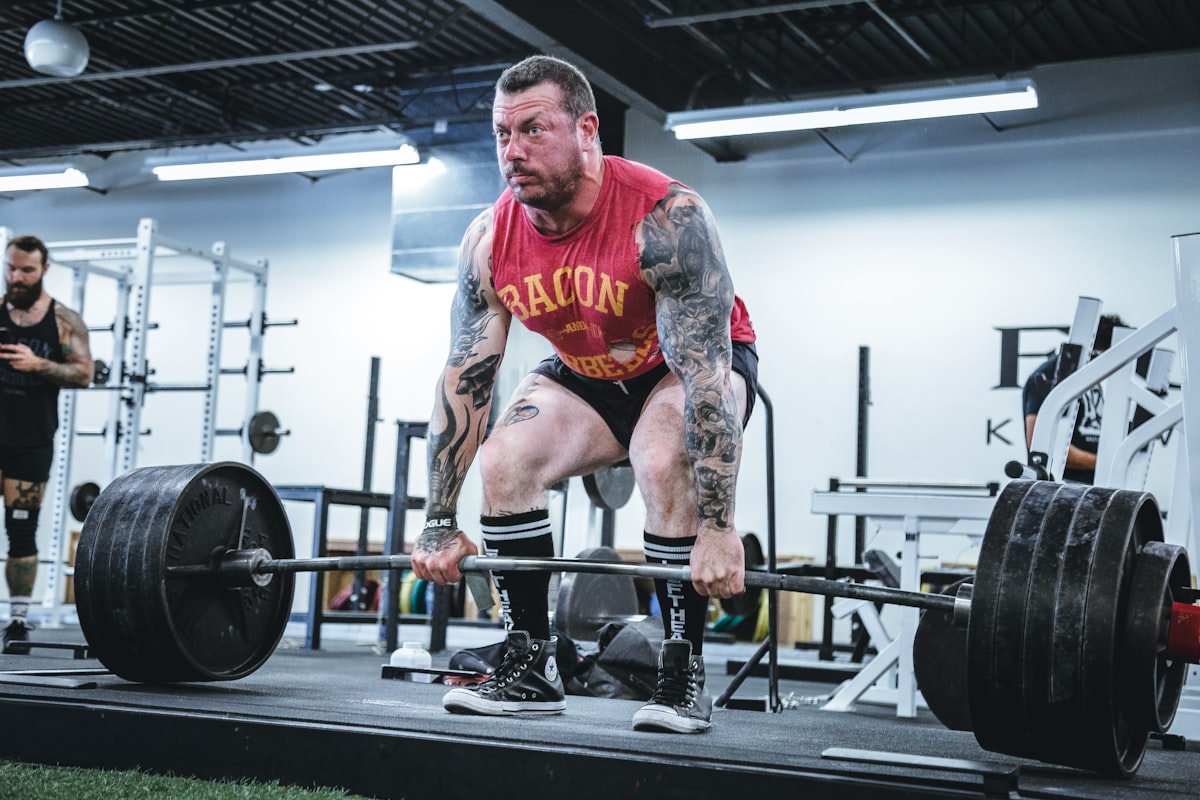
Doni's Advanced Phase
Intermediate lifter added 6kg quality mass over 12 weeks by implementing twice-weekly training splits and strategic supplementation. Focused on lagging muscle groups with increased isolation volume.
+6kg Mass | +10% Volume
Real Athletes Share Their Journey
"
The progressive training phases completely transformed my approach to muscle building. I gained 9kg in 12 weeks by following the exact protocol outlined in the guide. The combination of periodized protocols and proper nutrition timing made all the difference."
Marcus T.
Fitness Professional, London
"
I was skeptical at first, but the science behind every recommendation is rock solid. My energy levels improved, my recovery time dropped by 40%, and I'm stronger than ever. Worth every penny for the detailed breakdowns and video tutorials."
James K.
Personal Trainer, Manchester
"
As someone who's trained for 15 years, I thought I knew everything. This guide revealed gaps in my knowledge and helped me optimize my routine. My strength gains are faster now than they've ever been."
David R.
Strength Coach, Birmingham
"
The nutrition plan section alone is worth the investment. I finally understand how to eat properly for muscle growth without getting fat. Combined with the training protocols, I've never felt better or looked better."
Alex P.
Nutrition Coach, Leeds
Frequently Asked Questions
Who is this guide for?
This comprehensive guide is designed for men of all fitness levels—from complete beginners to advanced athletes. Whether you're just starting your fitness journey or looking to break through a plateau, the Progressive Muscle Building Protocol contains actionable strategies tailored to your experience level.
How quickly will I see results?
Most users report noticeable strength improvements within 2-3 weeks and visible muscle gains within 4-6 weeks. However, results vary based on your current fitness level, adherence to the program, nutrition, and recovery. The guide includes benchmarks to track your progress objectively.
Do I need expensive equipment?
No. While the guide includes strategies for gym training, it also provides comprehensive bodyweight progressions and minimal equipment alternatives. You can build significant muscle using just dumbbells, a barbell, or even your own body weight.
Is there nutritional guidance included?
Absolutely. The guide features detailed nutrition protocols covering macronutrient ratios, meal timing, supplement recommendations, and practical meal plans. You'll understand not just what to eat, but why each recommendation matters for muscle growth.
Can I combine this with other programs?
The guide is designed as a complete standalone system for optimal results. However, many users successfully integrate specific components with their existing routines. We recommend following the full protocol for 12 weeks to experience the complete benefits before modifying.
What if I don't see results?
We offer a 60-day money-back guarantee. If you follow the program exactly as outlined and don't see significant improvements, we'll refund your purchase in full. Your satisfaction is our guarantee.